

Currently Empty: $0.00



Cryptocurrency
Understanding Bitcoin Halving: What It Means for Investors and the Future of Cryptocurrency
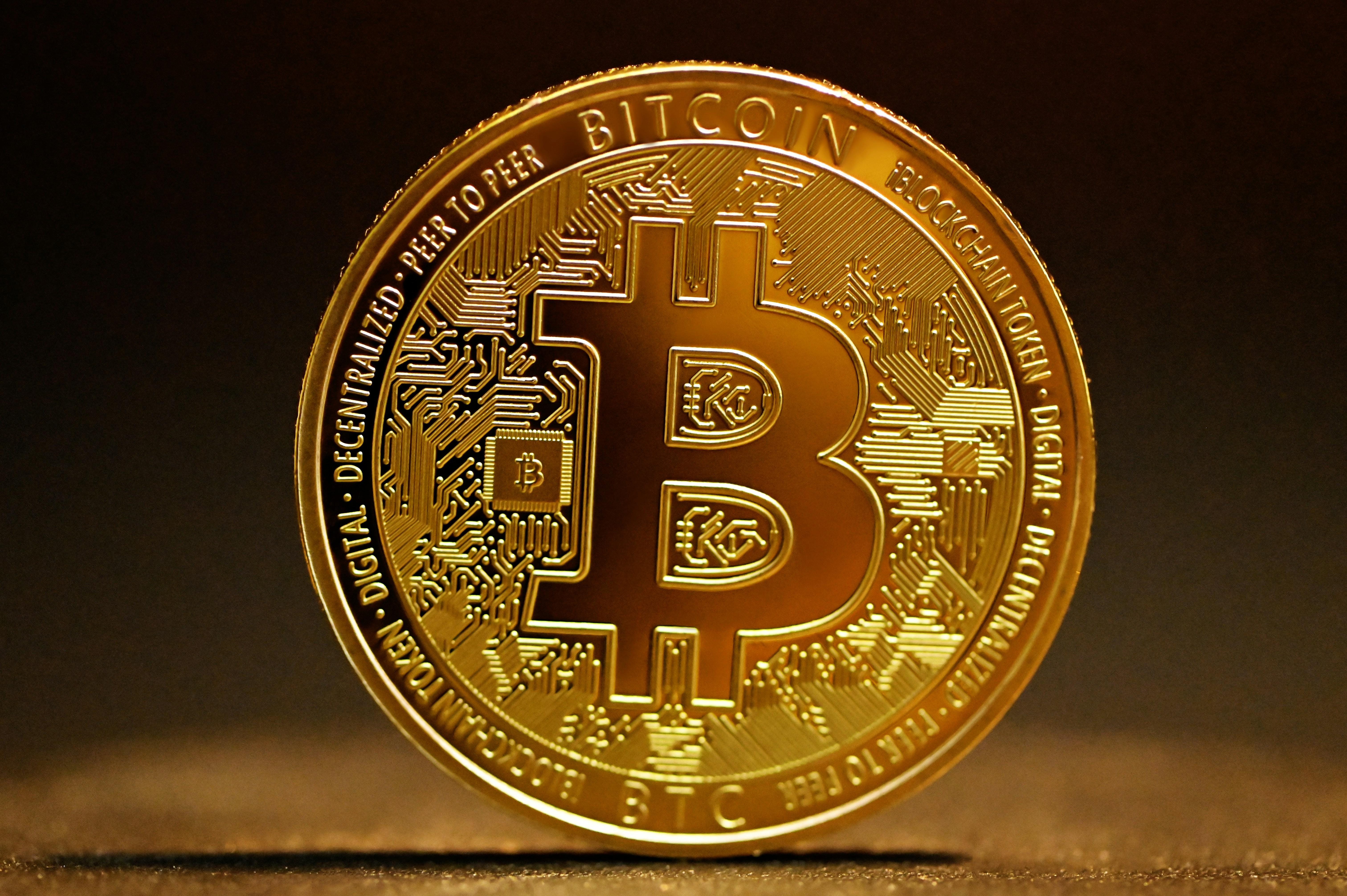
What Is Bitcoin Halving?
Bitcoin halving is an event that happens roughly every four years, or every 210,000 blocks mined on the Bitcoin blockchain. During this event, the reward miners receive for adding a new block is cut in half. This is one of the core features of Bitcoin’s design and is built into its monetary policy from the start.
When Bitcoin first launched, miners received 50 BTC for each block they mined. Over time, this reward has been reduced several times through halvings. The most recent halving took place in April 2024, when the block reward was reduced from 6.25 BTC to 3.125 BTC.
The main purpose of Bitcoin halving is to reduce the rate at which new bitcoins enter circulation. This slow and predictable reduction in supply is what gives Bitcoin its scarcity. Unlike traditional currencies that can be printed by governments, Bitcoin has a fixed maximum supply of 21 million coins.
Halving is often compared to the scarcity of precious metals like gold. As the supply of newly created Bitcoin decreases, many investors believe this can help support long-term value. However, price is never determined by supply alone. Market demand, investor sentiment, regulation, and broader economic conditions also play major roles.
Historical Halvings and Their Impact
Bitcoin has gone through several halvings since it was created. The first halving happened in November 2012, when the block reward dropped from 50 BTC to 25 BTC. The second halving took place in July 2016, reducing the reward from 25 BTC to 12.5 BTC. The third halving occurred in May 2020, when the reward fell to 6.25 BTC. The most recent halving happened in April 2024, cutting the reward to 3.125 BTC.
Each halving has historically been followed by major price movement over time. For example, after the 2012 halving, Bitcoin saw a strong price increase in the following year. After the 2016 halving, Bitcoin later reached a major bull market peak in 2017. Following the 2020 halving, Bitcoin experienced a major rally that continued into 2021.
Even though these patterns are often discussed by investors, it is important to remember that halvings do not guarantee price increases. They may contribute to bullish sentiment because of reduced supply, but many other factors influence Bitcoin’s price.
Why Bitcoin Halving Matters
Bitcoin halving is important because it controls how quickly new Bitcoin is created. This makes Bitcoin different from fiat currencies and creates a predictable supply schedule. Many people see this as one of Bitcoin’s strongest features because it gives the asset a form of programmed scarcity.
For miners, halving also changes the economics of mining. When the block reward is reduced, miners earn fewer bitcoins for the same amount of work. This can make mining more competitive and may force less efficient miners to shut down if their costs are too high. At the same time, the network still benefits from miners because they help secure the blockchain and validate transactions.
For investors, halving is often seen as a major event to watch. Some expect it to reduce selling pressure from miners over time, while others believe the market may already price in the event before it happens. Because of this, halvings are closely followed by traders, analysts, and long-term Bitcoin holders.
Conclusion
Bitcoin halving is a built-in mechanism that reduces the block reward every 210,000 blocks. It slows the creation of new Bitcoin, supports scarcity, and plays a central role in Bitcoin’s long-term supply model. While halvings have often been followed by strong price cycles in the past, they should not be seen as a guaranteed signal that Bitcoin will rise.
